With sensational power to bring positive changes, young people are expected to be engaged in different societal chores. However, the world does not treat young people unanimously and it adds different layers of complexities to young people based on the place, race, wealth, or identity they are associated with. Though the United Nations recognizes meaningful participation of young people in all aspects of their personal and community development as a fundamental right of youth (UNICEF, 2003), the right is not inherited by age. The 1.2 billion young people of today, accounting for 16 percent of the global population, expected to have grown by 7% by 2030 does not enjoy the same right that they have been promised. Perhaps close to 90 percent of this youth population living in developing countries will provide an unpleasant story, as 225 million youth (20% of all youth in the developing world) are not in education, employment, or training. And the cultural and creative industries provide nearly enough 30 million jobs worldwide and employ more people aged 15-29 compared to any other sector as UNESCO states through its “Investing in Creativity” report.
The creative economy and industries are thought to be leading the global challenges through creative solutions, a $1.5 trillion industry capable of powering sustainable development in all countries. Yet, to make the powerful shift towards the SDGs, we need to critically think about whether the sector across the world is inclusive and celebrates diversity. To me, it is like a puzzle that will reach its goal by solving mini-puzzles within itself.
If I zoom out a bit on my experience from a rather practical and complex lens, that may shed some light to understand the disparity that lies in the world, specifically as a young woman, struggling financially to access creative studies, lack or no support to gain skills to join the creative industry and from a developing country like Bangladesh. The societal pressure just adds up to the existing challenges often taunting young people from pursuing a career in fashion, design and technology. Becoming a fashion designer has been a challenging and competitive journey for me, a continuous struggle to prove myself and push the boundaries one after another. To me, the struggle and challenges of an aspiring fashion designer can be multi-faceted and it’s even unique when you are young and a woman.
Starting a fashion line requires significant financial resources, including money for fabric, equipment, and marketing. No wonder; the stats also say 73% of youth surveyed by the G20 Entrepreneurs Alliance in 2013 mentioned that access to finance remains very or somehow difficult in their countries.
Being in Bangladesh, it’s difficult to break into the industry without existing connections or experience overseas. To overcome this, you can attend industry events, network with other designers and professionals, and seek out mentorship opportunities. I was adamant not to compromise my creativity with day-to-day desktop work in a “producing country”; this comes with a price, but the last seven years I had to wrestle to balance both. It also comes with the price of a creative dilemma, as you may feel to work in a prescribed organization with the inner creativity chained inside you. Also, as an entrepreneur, it’s more difficult when you realize there is a lack of scope for you to expand your creative talents overseas for the sake of so-called organizational compliance.
On the global stage, the north always considers itself as a designer and gives less scope to the southern counterpart. Extensive support, capacity-strengthening effort, and collaboration are needed to bridge the gap. It took me almost 7 years since I started my journey as a creative professional, to come across and collaborate with UNESCO. However, we need to embrace such efforts to cater to and promote young experts in creative industries to achieve cultural liberties.
In the southern part of the world, people hardly believe that they can move their careers to creative industries, because of the lack of equal working opportunities in the global arena. Governments and cultural organizations can develop cultural exchange programs that promote the sharing of cultural goods and services, and the mobility of artists and cultural professionals between countries. Opportunities that showcase the diversity and cultural heritage can facilitate the exchange of knowledge, skills, and artistic practices, leading to mutual understanding and inclusive practices. For fair culture, governments can negotiate free trade agreements that include provisions for the exchange of cultural goods and services. Such policy level changes can help to remove barriers to trade and promote the export and import of cultural products and services, support the growth of the cultural sector, and can involve capacity-building opportunities for artists and cultural professionals. This can include workshops, mentorship programs, and scholarships which help to build skills and knowledge that can be shared across borders. More funding and financing are crucial to support the creation, production, and distribution of cultural goods and services while leaving no one behind.
Creative industries, through cultural festivals, exhibitions, and cultural events, can help attract visitors and promote diversity. The promotion of a balanced flow of cultural goods and services, and the mobility of artists and cultural professionals in the southern region and across the world, can support the development of a vibrant and diverse cultural sector capable of enhancing the creative economic development of the region.
Design In Global: towards an inclusive and equal future of fair culture
Being selected as a fair culture expert, I received a drive towards imagining a global platform that welcomes cross-cultural collaboration and provides opportunities to individual creatives across the world, who have the potential but lack the patronization. Creating the platform Design in Global (DIG), I want to bring together artists, creators, and cultural organizations from various backgrounds to collaborate on projects, performances, and exhibitions that will encourage the blending of cultural influences and innovation. DIG will also try to leverage digital platforms and technology to create virtual spaces for cultural exchange, allowing people from different parts of the world to connect, share, and experience diverse cultural expressions.
As a fair cultural expert, I am motivated to focus on encouraging cultural diplomacy and take the responsibility to build bridges between nations, while promoting peaceful relations through spreading creative essence extracted from diversified cultures. Additionally, cultural ambassadors engaging in critical discussions can play a vital role in fostering dialogue and understanding among diverse communities. I can also sense the need to integrate cultural education and intercultural competence into educational curricula, however, that needs a joint effort from the key players in the industry including governments. Promoting learning about different cultures, histories, and perspectives will help develop empathy, respect, and a sense of global interconnectedness.
To be more inclusive we need to advocate for fair trade practices in the exchange of cultural goods and artifacts, ensuring that artists and artisans from different regions receive equitable compensation for their work. This supports cultural sustainability and helps preserve traditional craftsmanship.
DIG focuses on investing in the development of cultural infrastructure, such as museums, galleries, theaters, and cultural centers, in regions with limited access to cultural resources. We believe this helps democratize cultural participation and creates platforms for local artists and performers to showcase their talent. By fair culture, I understand a collective cultural conscience that respects, recognizes, and celebrates the cultural rights and heritage of indigenous communities, ethnic minority groups, and under-represented people that is not limited to the cultural practices of elites.
Through my small initiatives, I started to support community development projects and one such example is the UNESCO participation program, “Ethnic Minority Community Development Through Fashion and Diversity to promote heritage textile.” This project continues to create spectacular design solutions to focus on responsible consumption and production, promote heritage textiles and the growth of ethnic minority community (women) domestic innovation, attain gender equality, empower women and girls, decent work and economic growth for Bangladesh, and coveted product diversity with sustainability and contribute to work in SDG Goals.
DIG will encourage ethical engagement by cultural organizations, institutions and individuals, ensuring that cultural interactions are respectful, collaborative and based on mutual benefits to incorporate sustainability principles into the Fair Culture movement. This will mean sustainability in terms of environmental sustainability and sustainability of cultural practices, traditions and knowledge systems.
The mandate should also include designing a global standard for the Fair Culture movement. Emphasis should be given to the ways we can ensure inclusiveness and diversity by ensuring equal representation and participation of all cultural expressions, irrespective of ethnicity, gender, age, socioeconomic background or geographical location. Additionally, actions should be taken to promote cultural equity by addressing systemic inequalities and ensuring that resources, opportunities and support are distributed fairly among cultural practitioners and communities worldwide.
Keeping these aspects in mind, DIG will help develop cultural literacy and foster a sense of responsibility towards cultural heritage. Further, it will try to contribute to creating transparency and accountability in cultural practices, including financial transactions, cultural representation, and decision-making processes. The global Fair Culture movement can establish a framework that promotes fairness, inclusivity and the appreciation of cultural diversity, while safeguarding cultural rights and heritage for present and future generations.
Nonetheless, the creative industry should be adaptive and innovative to face global challenges such as the pandemic. The pandemic was cruel to creatives, as they suffered from a lack of support and platforms, people lost their jobs, shifted to another sector, and there was a lack of financial support and scope of work opportunities. The worst sufferers were small weavers and artisans including professionals from different creative industries. Therefore, innovations will be needed to explore sustainable practices in the cultural sector, considering environmental, social, and economic aspects, to ensure the long-term viability of cultural expressions and activities.
Design in Bangladesh, Made in Europe: an attempt to flip the script on fashion’s exploitation of the Global South
The global fashion industry is very much dominated by designers and creatives from the North and countries from the South merely remain “producing countries”, mainly because of various factors including cheap labor and inexpensive materials. “Design in Bangladesh and Made in Europe” was my attempt to break that dominant narrative, as it helped a designer like me from the Global South to launch their own product designed with the essence of the cultural root I am based in, to the European market.
This experience helped me tailor the idea of Design in Global — a platform that will decolonize the global fashion world. The idea came to me in early 2020, when I was invited by Hamburg’s Accenture Song to collaborate with my label RAP to work with eco sneaker brand ekn to launch a new vegan sneaker. The idea was to launch the first-ever product that was Designed in Bangladesh targeting the European market, to create a “sneaker as a symbol of respect,” aimed at reversing some of the unethical supply chain practices, pollution, and exploitation that have been synonymous with the big actors of the fashion industry for long.
This collaboration helped rethink the fashion industry itself and to redefine the identity of designers. Kamthala (Kanthal in Bangla and Jackfruit in English) is a shoe that is produced from vegetable waste and designed by exhibits a decolonized model that portrays a combination of cultural diversity. A product that’s designed in Bangladesh and manufactured in Portugal named Kamthala after the country’s national fruit, makes a bold statement, claiming a fundamental shift in how fashion brands work with the Global South and explore the creativity of designers outside of the boundaries of the North.
What made the design successful was the strength and uniqueness of my motif. While designing, I considered how I can provide a sustainable design solution that also showcases my culture. After the launch of the shoe, I received a huge response worldwide and felt very enthusiastic to reach the global market as the first Bangladeshi designer. This was also the first-of-a-kind initiative where the product was made in Europe but designed elsewhere, in a small South-Asian country. I was invited to local media agencies to talk about the story behind it, and was even featured by CNN as a part of their story on “Growing Bangladesh”.
This appreciation and worldwide recognition made me realize the unmet need for creatives across the world, mostly because of the imbalanced world. Design in Global recognizes and was born against the backdrop of the colonized world, where the garment industries are mostly set up in developing countries, providing labor to produce finished products designed by European and developed countries. The potential of talents and designers in these manufacturing countries is hardly recognized and patronized. Also, the lack of a support system and networking with supply-chain management makes it difficult to get young and potential creatives to produce their own brands.
Through this platform, I aim to promote creative designers worldwide, to launch their brands and help solve the world’s most pressing issues through social entrepreneurship, research, innovation, and collaboration within the creative and fashion industry. DIG believes that collaboration with profit, non-profit organizations, and market actors will help creatives in the Global South to fulfill their dreams and grasp opportunities that change lives — not only for participants but for the millions of people around the world to believe in themselves and be promoted globally by their own work.
DIG envisions decolonizing and deconstructing the global power dynamics of the design industry and breaking free the creatives from the boundaries of geography, ethnicity, and wealth. In collaboration with industry catalysts, public-private and non-profit entities, young designers and experts, Design in Global will contribute to the areas of research and innovation, capacity strengthening, create and promote scopes for young designers and introduce the global fashion industry to creative brands and designers those are authentic to the culture and context they are born in.
The rise of Bangladeshi creatives: suggestions and recommendations
As one of Asia’s pioneer designers, I feel that Bangladeshi designers can contribute to challenging global fashion exploitation and reshape the industry towards a more ethical, sustainable, and inclusive future. Their unique perspective, rooted in the experiences of the country’s garment industry, provides an opportunity to create positive change within the global fashion landscape. Expert designers can contribute to challenging fashion exploitation in many ways including:
- A creative global platform open for young talents irrespective of the place and country they live in
- Support young designers to develop their skills to complement the lack of design education
- Create young entrepreneurs and enrich creative economy development
- Shift power dynamics of the design industry and make it fair for all
- Develop innovative ideas and solutions that will ensure design for sustainability
- Resource repository for young designers across the world to get resources and training materials
- Help develop a framework for fashion in countries like Bangladesh and provide an enabling environment for future designers
- Offer an innovative platform that will help bridge the supply chain, innovative designs, brands, academia, and the fashion industry
- Provide design education support to feed in unmet need for creative education in developing countries
- Ethical and sustainable design; fair wages and worker rights; collaboration with local artisans; empowering local communities; promoting diversity and inclusion; collaboration with international partners; raising awareness and consumer education
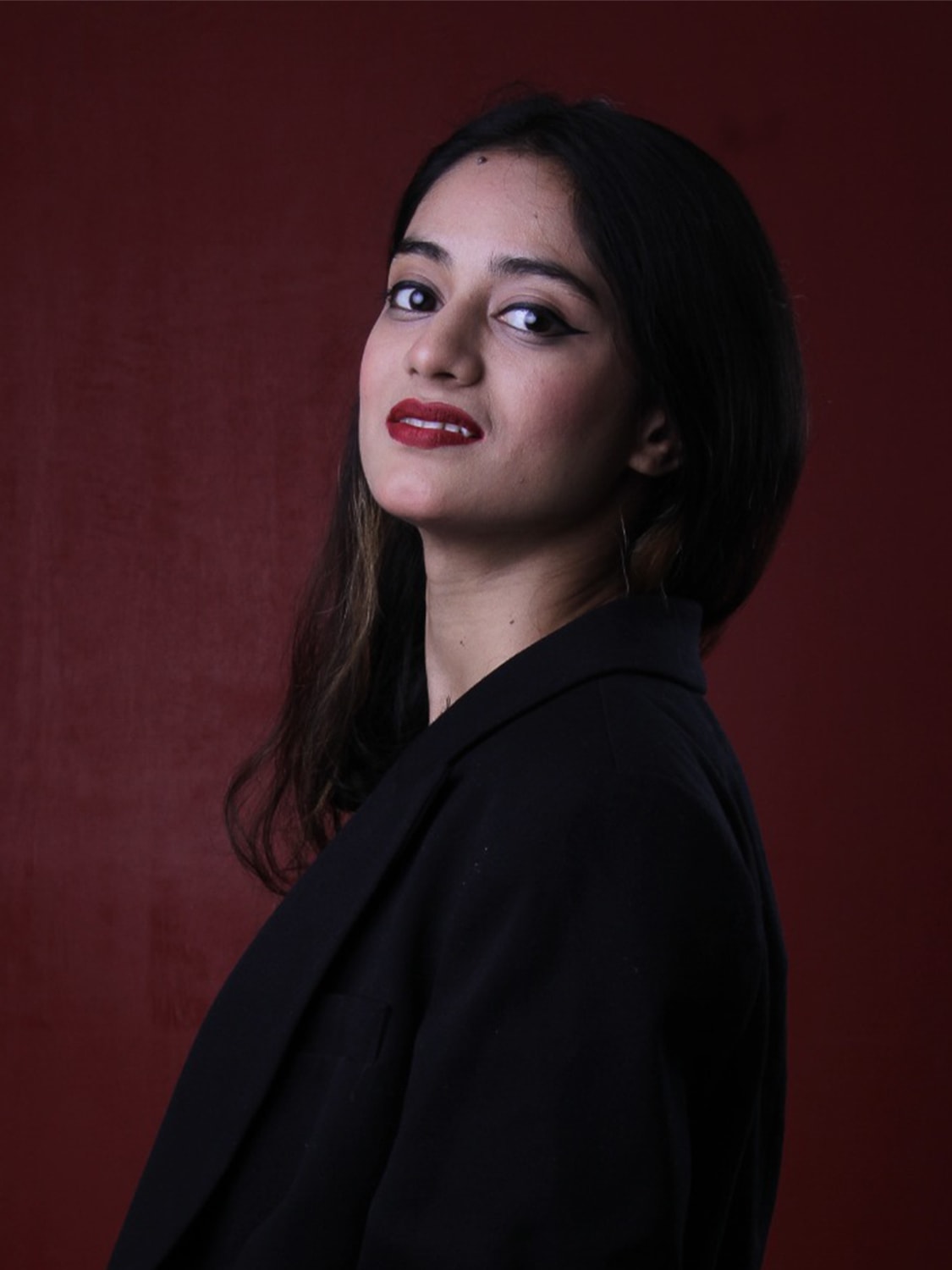
Rokaiya Ahmed Purna is the Chairman of Design In Global, founder and president of RAP, and Expert in UNESCO Fair Culture. She has done her Bachelor of Science from BGMEA University of Fashion and Technology and finished her two years project in product development with the Netherlands Saxion University. As a young global fashion expert and designer, she represented Bangladesh on different international platforms. Rokaiya has been toasted across the fashion world with fashion spreads in international magazines such as Vogue, CNN, Forbes, Daily Star, and her collection has been exhibited in Otago Museum as the first Bangladeshi.
Junanjina Ahmed is an anthropologist and development professional, working at international charity organizations for more than 10 years. She has expertise in research, training, project management, business development, and fund management.